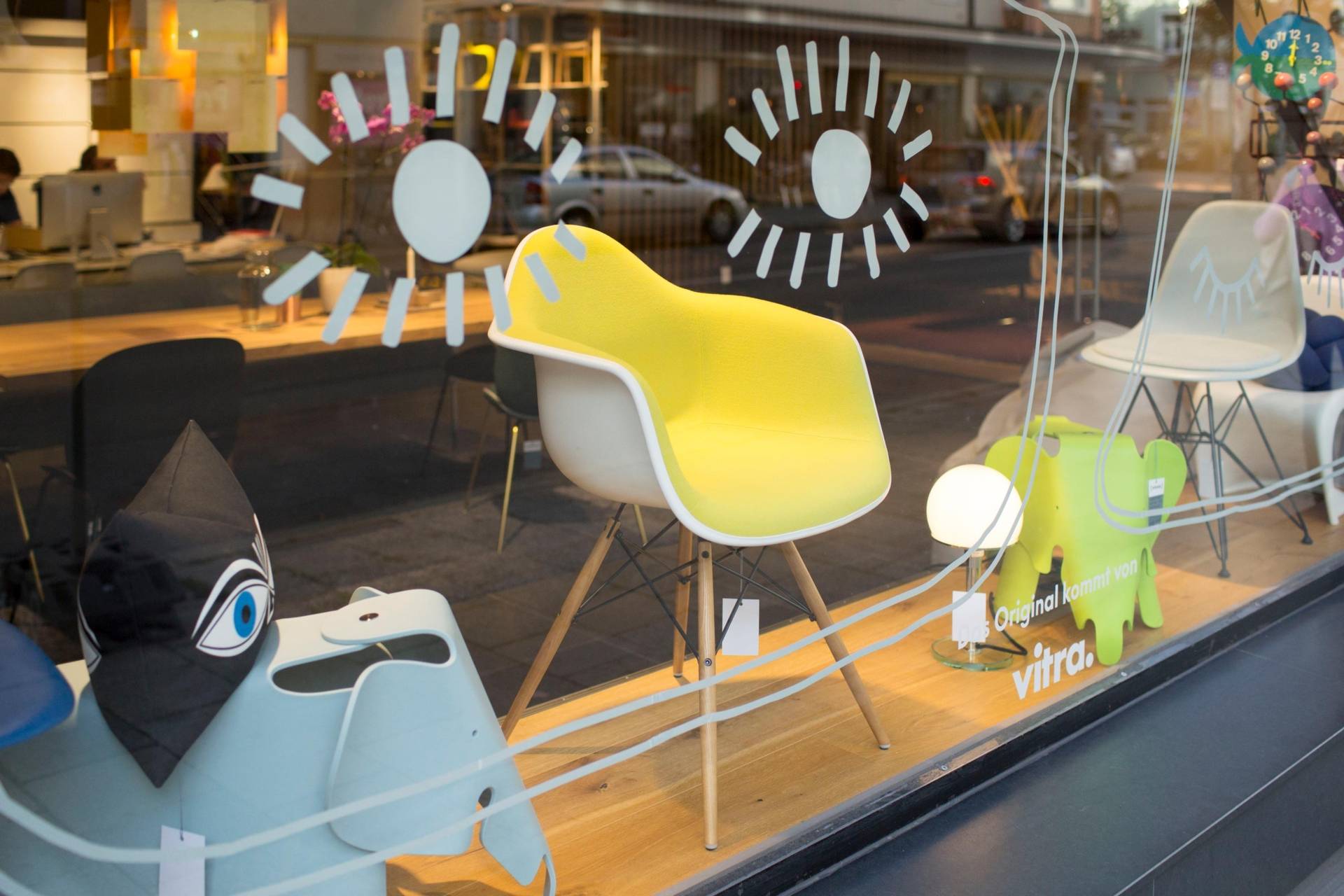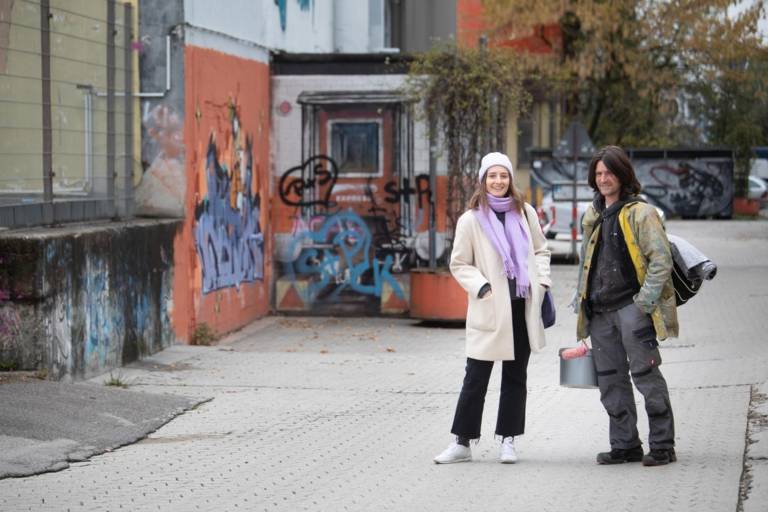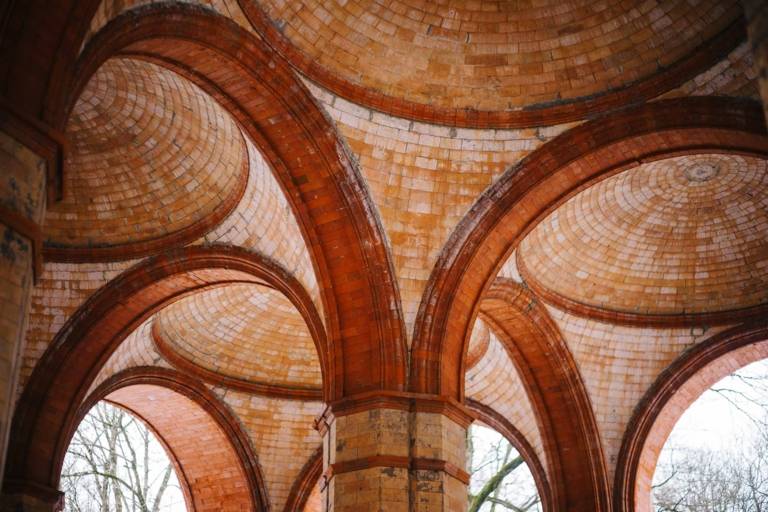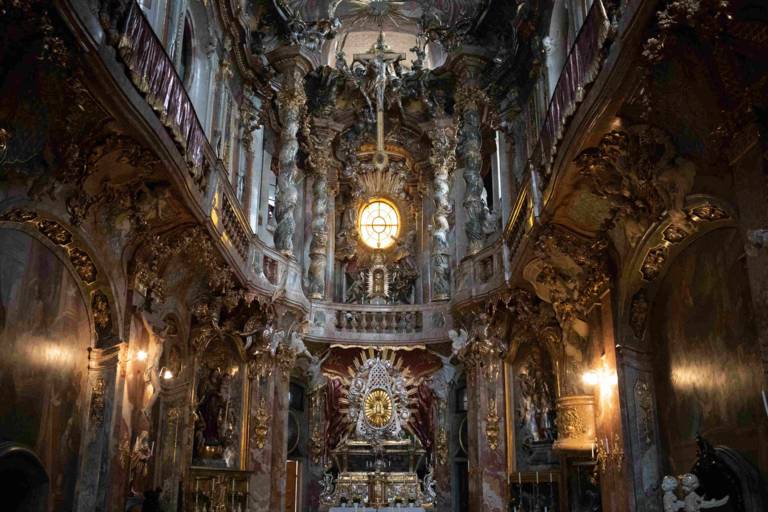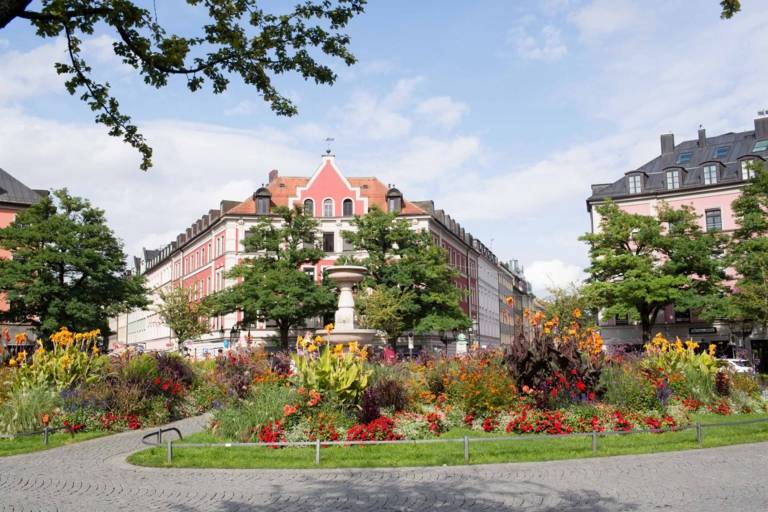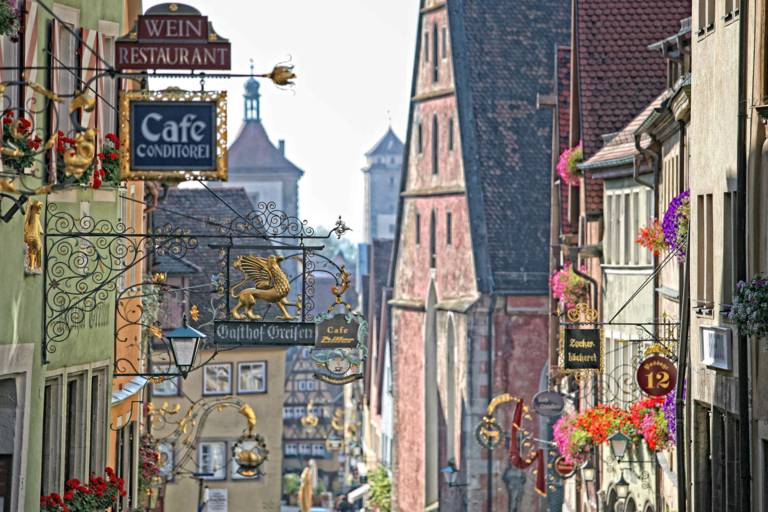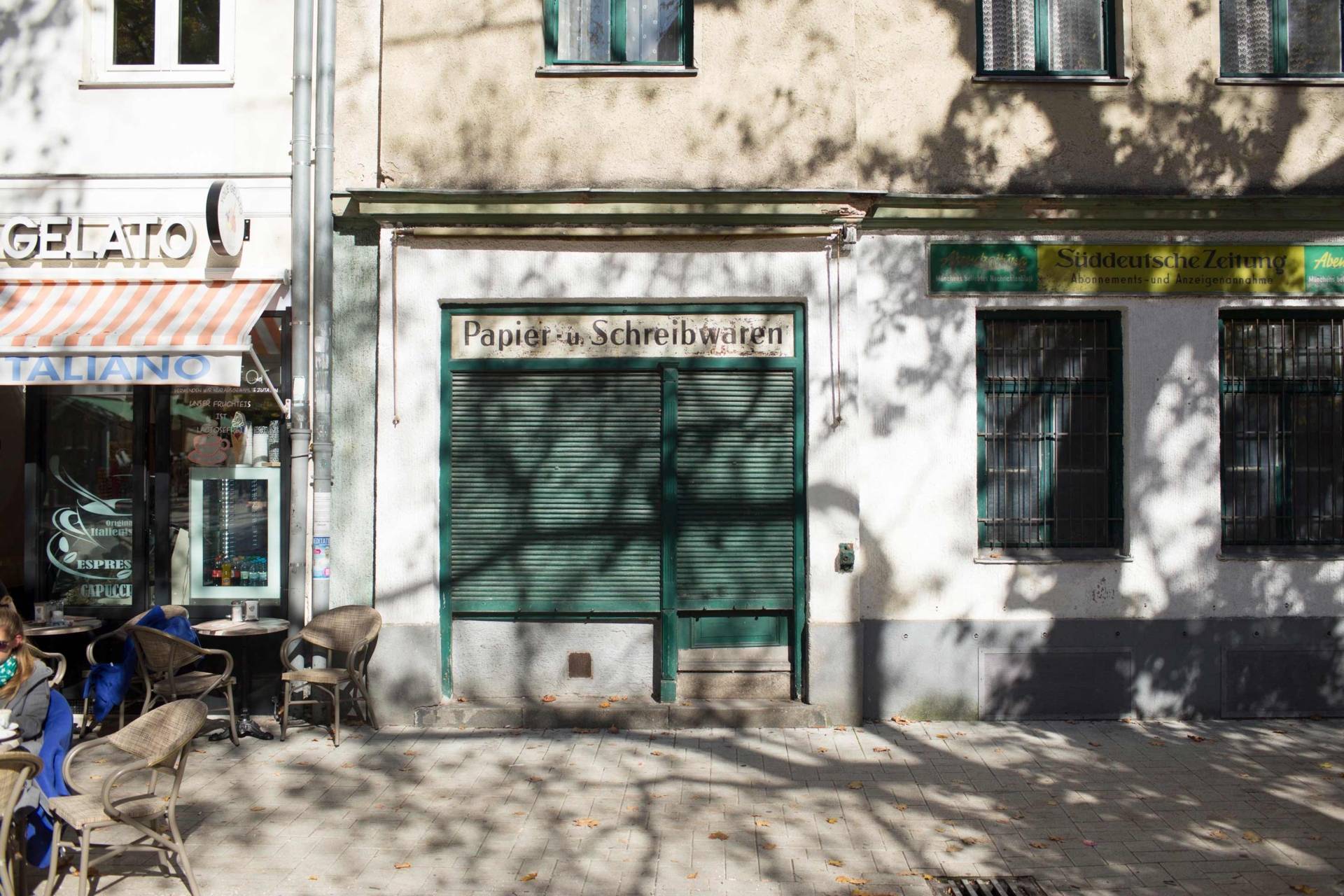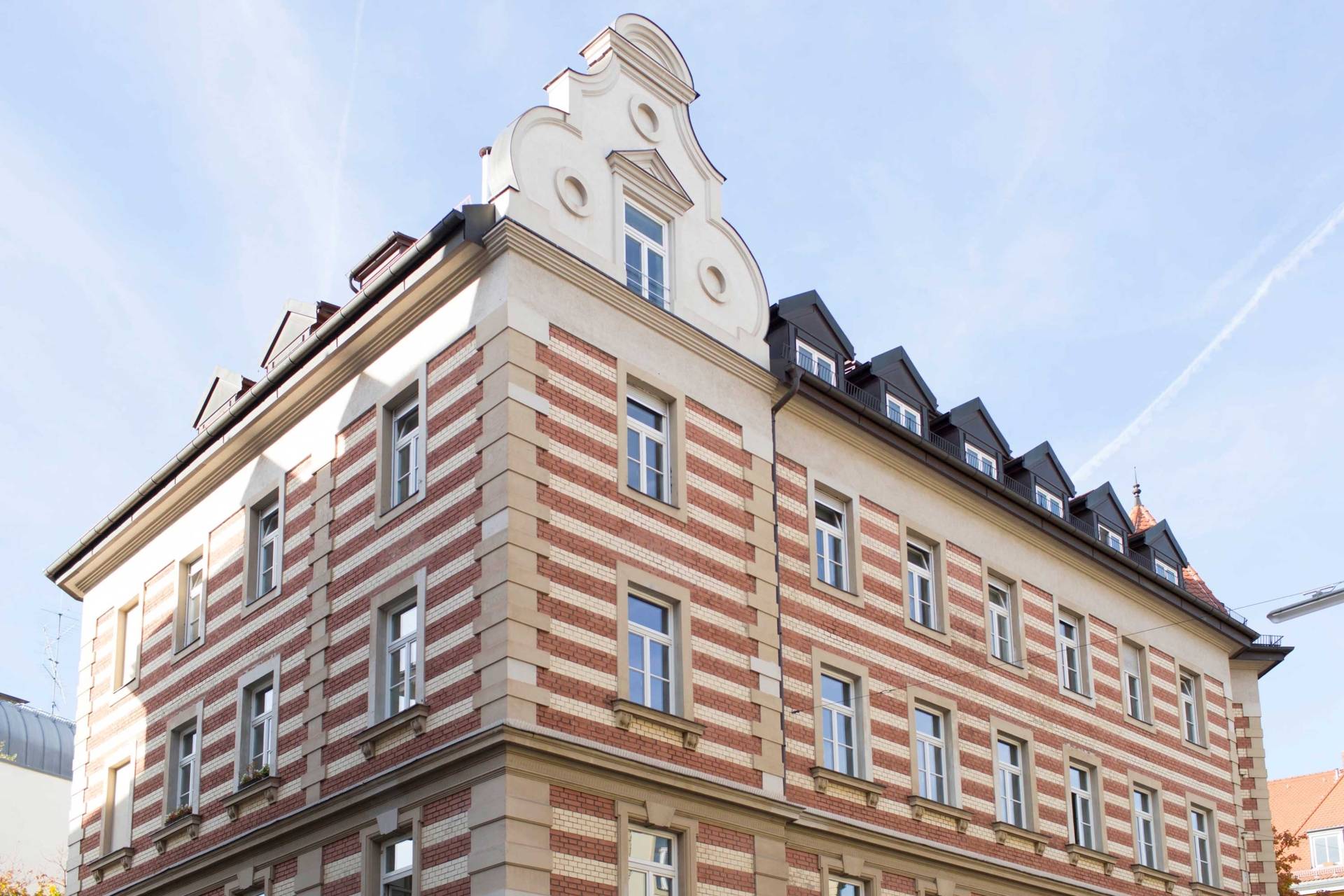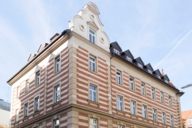
House facade in the district Schwabing in Munich.

Hohenzollernstrasse

Strolling along: Schwabing

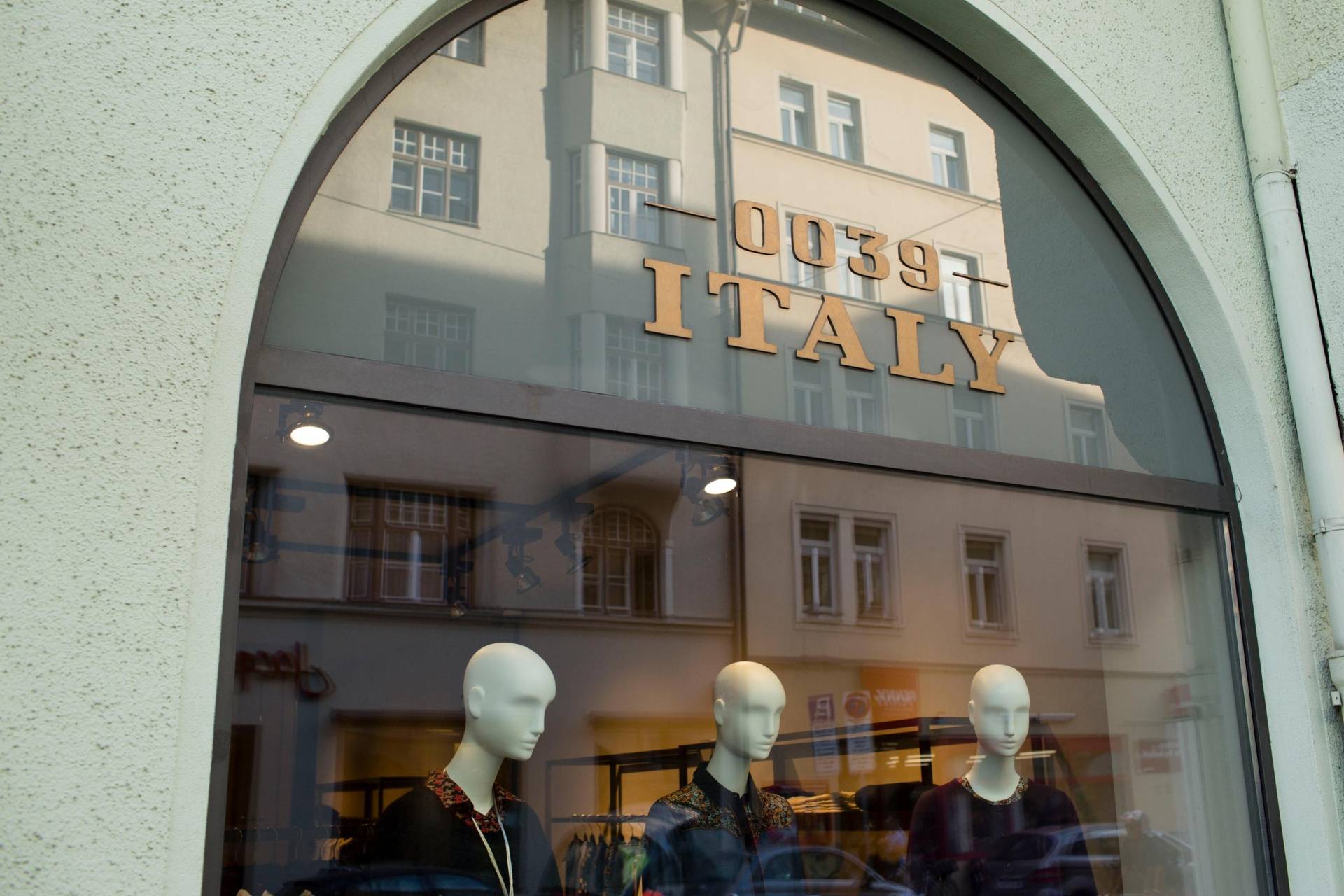
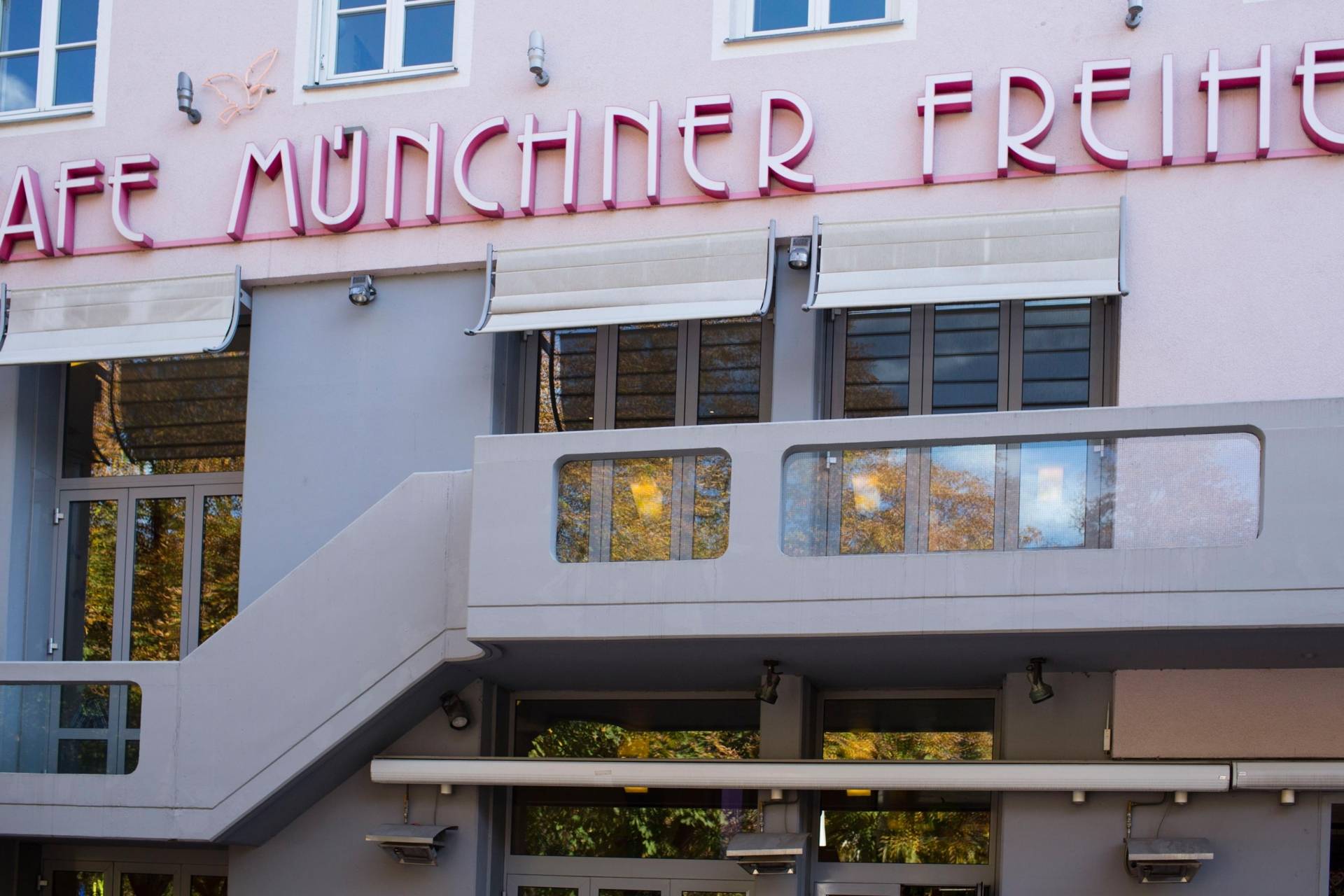
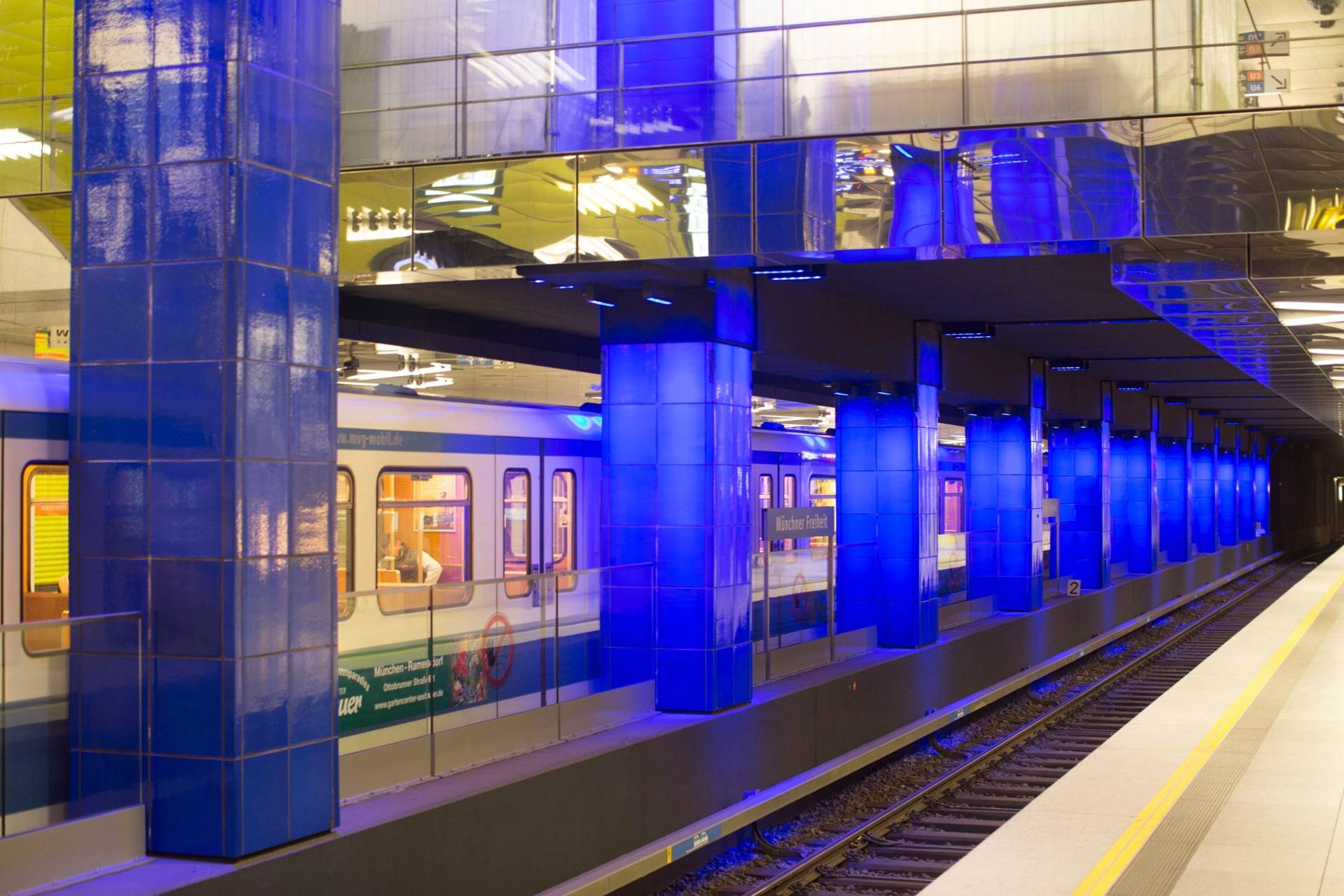
Hohenzollernstrasse leads off Leopoldstrasse – together, they form what is known as the “Schwabing T”. Over the decades, a number of artists have lived along these two kilometres.

Wassily Kandinsky founded his “Phalanx” painting school at no. 6a, and Joachim Ringelnatz lived at no. 31a/I for ten years with his wife, whom he called Muschelkalk (“Coquina”, a type of limestone). Today, the greatest art the area has to offer consists of browsing every one of the street’s shoe shops, international labels, concept stores, boutiques and cafés in a single day.


Pepe e Sale, corner of Wilhelmstrasse

The eternal love between Munich and Italy has found itself a little nook here, spreading joy in the form of fresh Italian meals daily. The lasagne is especially quick to sell out – the early bird catches the pasta!

Pepe e Sale


Bertrand Workwear, No. 19

The first denim jeans were worn by miners, cowboys and gold diggers – 150 years later, the ubiquitous classic trousers are piled high in all manner of sizes, washes and styles, at Alexander Bertrand’s store. His father founded the clothing shop in 1931; the original cash register still stands on the counter.

Bertrand Berufskleidung

Kostüme Breuer, No. 22a, Innenhof

Becoming one of the largest costume and formal dress suppliers in Europe is no mean feat – the Breuer family has been building up its stock for almost 70 years and can now pick out the perfect garment for every occasion: Tailcoats, tuxedos, morning suits, bridal dresses and ball gowns for formal occasions. Costumes for Fasching (Carnival), Mardi Gras and themed parties. Scary ant masks? Vienna sausages on legs? 160 Hussar uniforms? You'll find it all here!

Kostüme Breuer


Petit Fritz, No. 9

This is a good place to start the day. With a delicious breakfast and selected coffees, it's easy to get through the tasks, appointments and meetings ahead. The Petit Fritz offers excellent French cuisine from morning to night. When the weather is nice, the tables in front of the restaurant are a great place to relax and watch the hustle and bustle.

Petit Fritz


Kunst Oase, No. 58

To reach Kunst Oase, visitors must pass through a side passage lined with gilt-framed mirrors, and down a steep staircase. Formerly a beer cellar, the venue is now a glorious 300-square-metre jumble of chandeliers, lamps, antique furniture, carpets, pictures, porcelain ... If you're feeling brave, you might challenge the manager of this oasis, artist Manfred Wambsganss, to a table football match.

Kunstoase Schwabing


Bodeguita, No. 120

The Bodeguita store in Schwabing offers a wide variety of tapas. Bodeguita, which translates as small wine cellar, small wine shop, naturally also offers selected Spanish wines in addition to tapas. In addition to the selected wines, numerous cocktails and long drinks are also on offer.

Bodeguita


Nordbad, corner of Schleissheimer Strasse

Once you've completed the Schwabing shopping odyssey, a monumental refreshment experience awaits, dating from the age of fascism and the body cult. The Neoclassical Nordbad built in 1941 wows visitors with a steam bath, waterfall, sauna with colourful lighting effects, 34-degree outdoor pool and swimming hall grandstand that can accommodate 1,400 spectators.
Nordbad München


Text: Pauline Krätzig, Nansen & Piccard; Photos: Frank Stolle
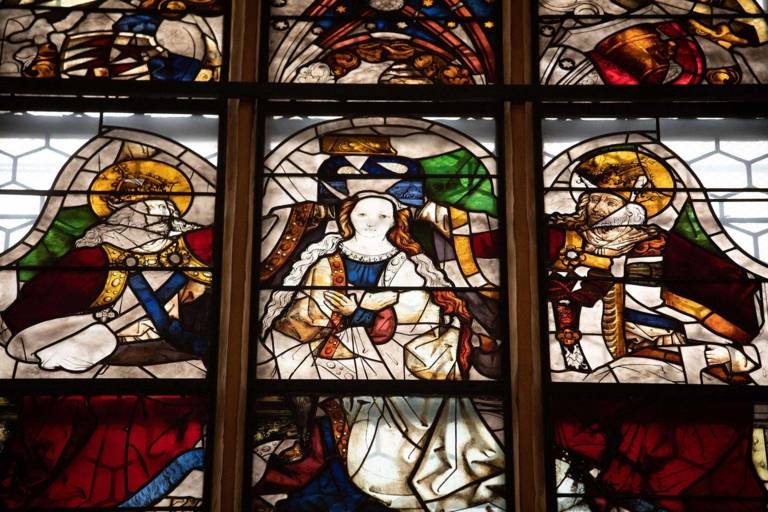
A church window in the Salvatorkirche in Munich

Munich's church windows

The most beautiful windows of the city

Michael Mayer of Mayer’sche Hofkunstanstalt presents the most spectacular church windows.

Fascinating people for centuries: Michael Mayer of Mayer’sche Hofkunstanstalt presents the most spectacular church windows the city has to offer.

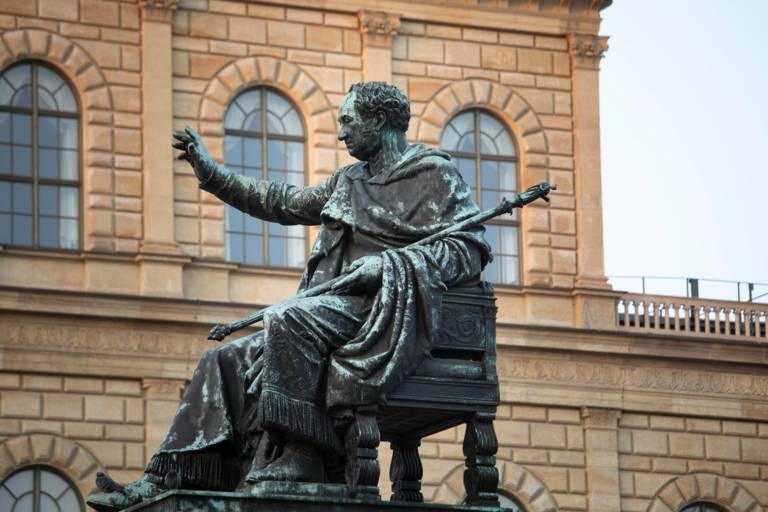
The monument to Max I. Joseph in front of the Residenz

Munich's royal monuments

Four kings and a prince regent

In Munich there are fantastic monuments to admire. Where they are and what makes them so special.

In Munich there are several fantastic monuments to admire. Where they are and what makes them so special: an overview.

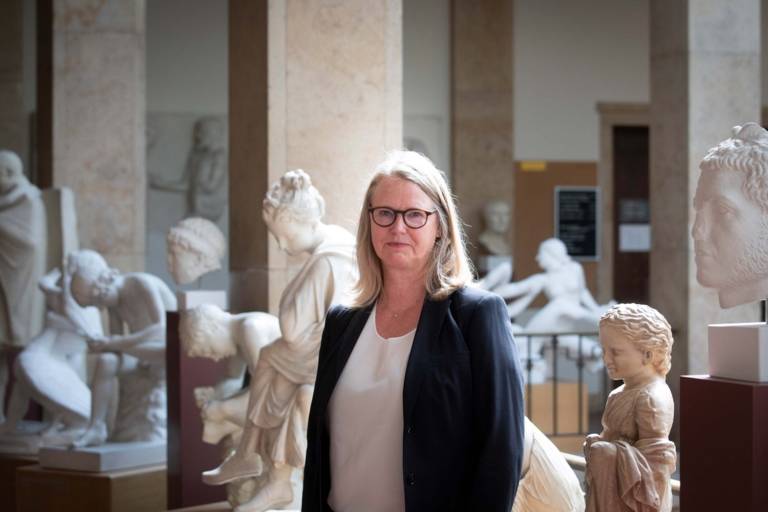
The tour guide Alvestad-Aschenbrenner stands in the Museum for Abgüsse Klassischer Bildwerke Munich

Ludwig I of Bavaria

When Munich became an „Athens on the Isar“

Ludwig I of Bavaria converted Munich into his "„Athens on the Isar“, many buildings still remind us of this today. An interview.

Ludwig I of Bavaria converted Munich into his "„Athens on the Isar“, many buildings still remind us of this today. An interview with a tour guide.

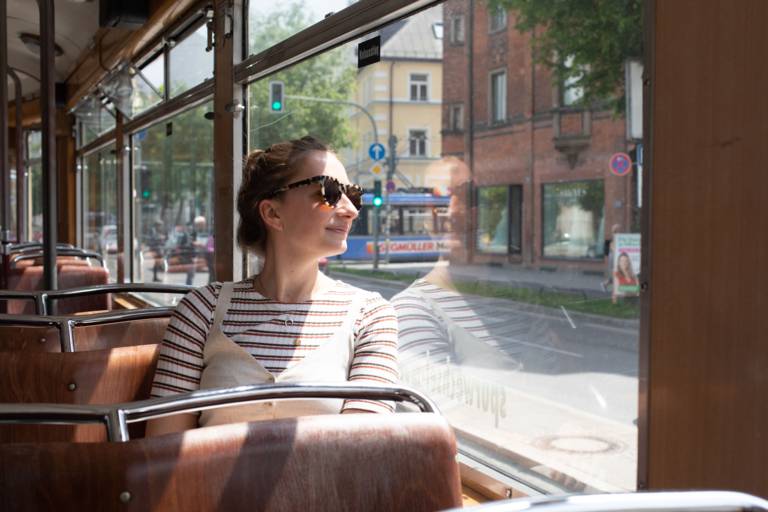
Young woman sitting at a window in a tram in Munich.

Column

A vacation in my own city

Our author used to be a travel blogger. Now she has started to explore her own city: Munich!

Our author used to be a travel blogger. Now she has started to explore her own city: Munich!

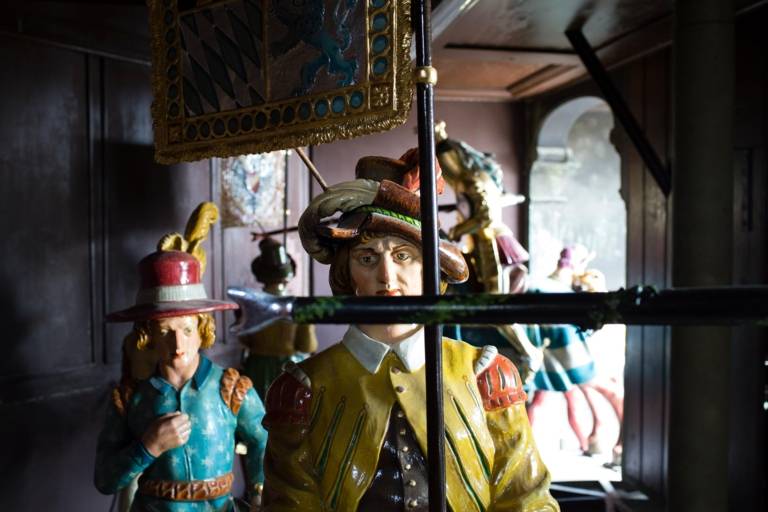
View from the inside of a figure of the carillon in the New Town Hall in Munich.

New Town Hall

The Glockenspiel in ten pictures

An exclusive look behind the scenes.

The Glockenspiel on Marienplatz has been enchanting visitors and locals for over 100 years. An exclusive look behind the scenes.
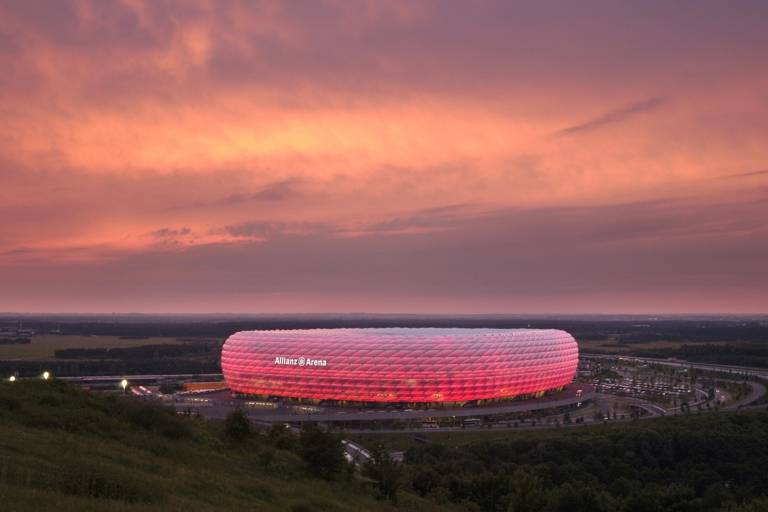
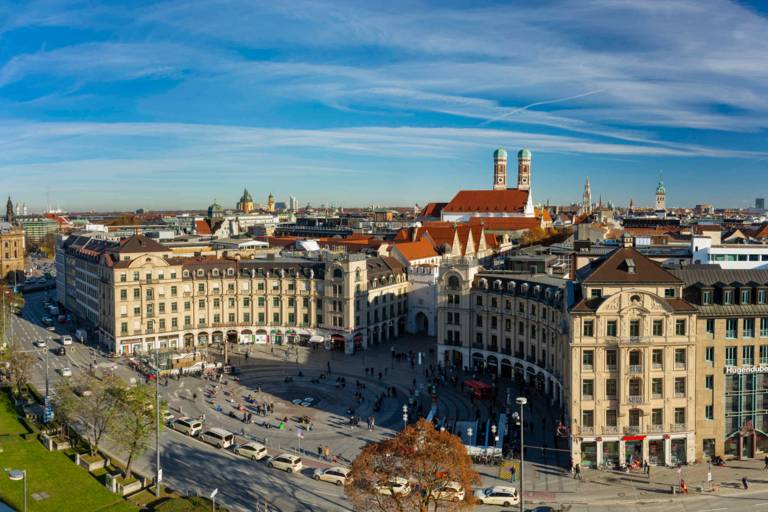
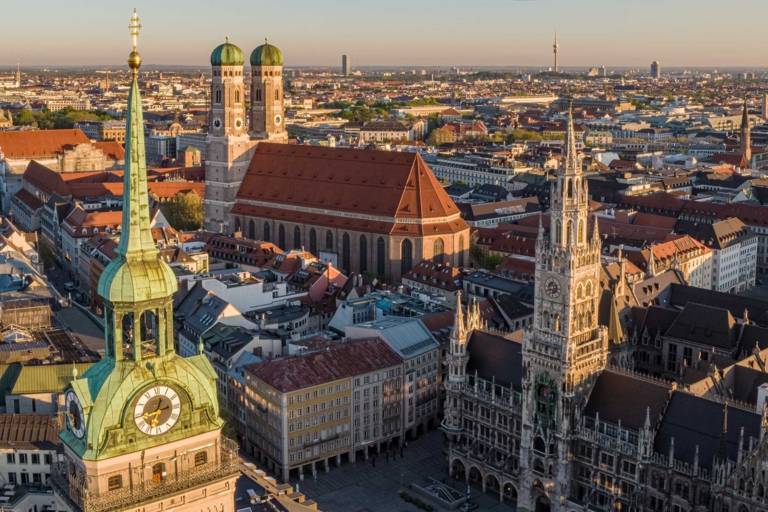
Panoramic view of Karlsplatz / Stachus in Munich with the Frauenkirche in the background photographed from the air.
Munich's city centre

Classical and curiosities

Numerous Munich stories can be told along the roughly one-kilometer-long route between Karlsplatz-Stachus and Marienplatz square. A city walk.

Numerous interesting Munich stories can be told along the roughly one-kilometer-long route between Karlsplatz-Stachus and Marienplatz square. A city walk.

Weissenburger Platz in Munich photographed from above with a drone.

Haidhausen and Au

A village in the city

Haidhausen and Au have developed from working-class quarters into popular residential areas.

When strolling along the narrow streets of the districts Haidhausen and Au with small shops and green courtyards, it almost feels like being in a village in the middle of the city.

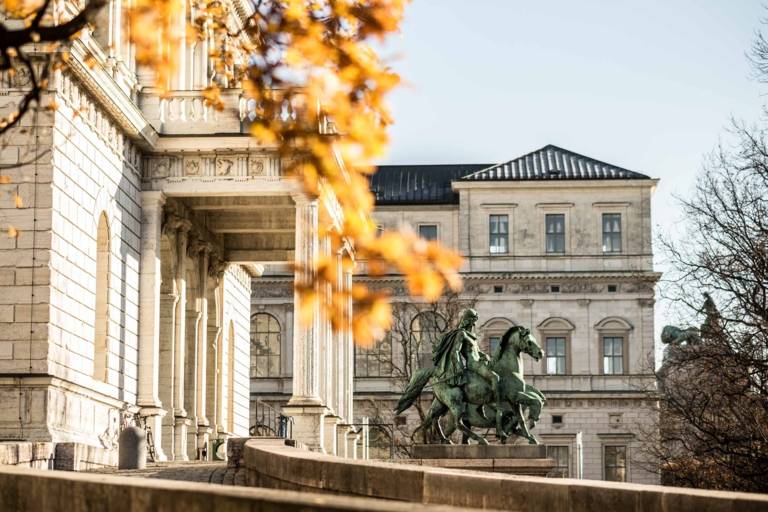
The Academy of Fine Arts in Munich in autumn.

Schwabing

From artists and writers

Around 1900, it was the artists and writers who settled around the university and the art academy and shaped the spirit of Schwabing.

In the heyday of the Schwabinger Bohème around 1900, it was the artists and writers who settled around the university and the art academy and shaped the spirit of Schwabing.

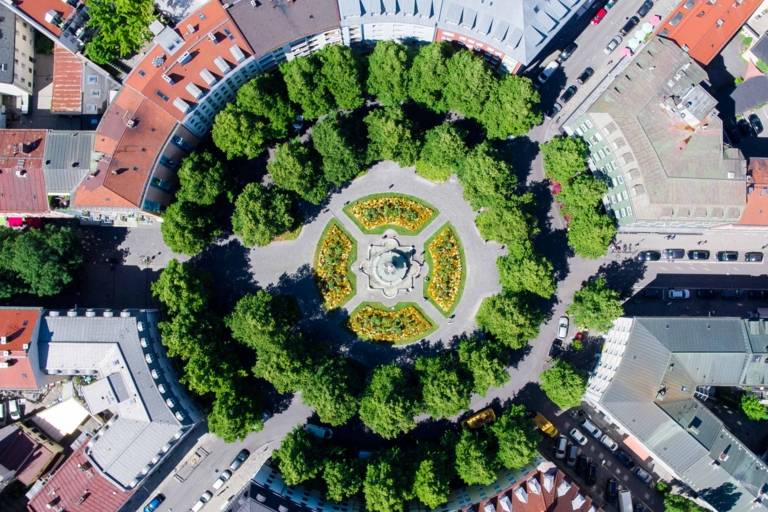
View of flowerbeds at Gärtnerplatz in Munich.

Gärtnerplatz and Glockenbach

Where the night begins

Independent labels, hip bars, pubs and cool inns attract the young and the young-at-heart.

The Gärtnerplatz and Glockenbach neighbourhoods are known as trendy quarters. Their independent labels, hip bars, pubs, cool inns and calm backyards attract the young and the young-at-heart.